Open 24/7, Monday to Sunday(332) 587-3902
Camila Dumpster RentalDumpster Rental New York, NY
Dumpster Rental New York, NY

Local debris service

Dumpster Rental New York, NY

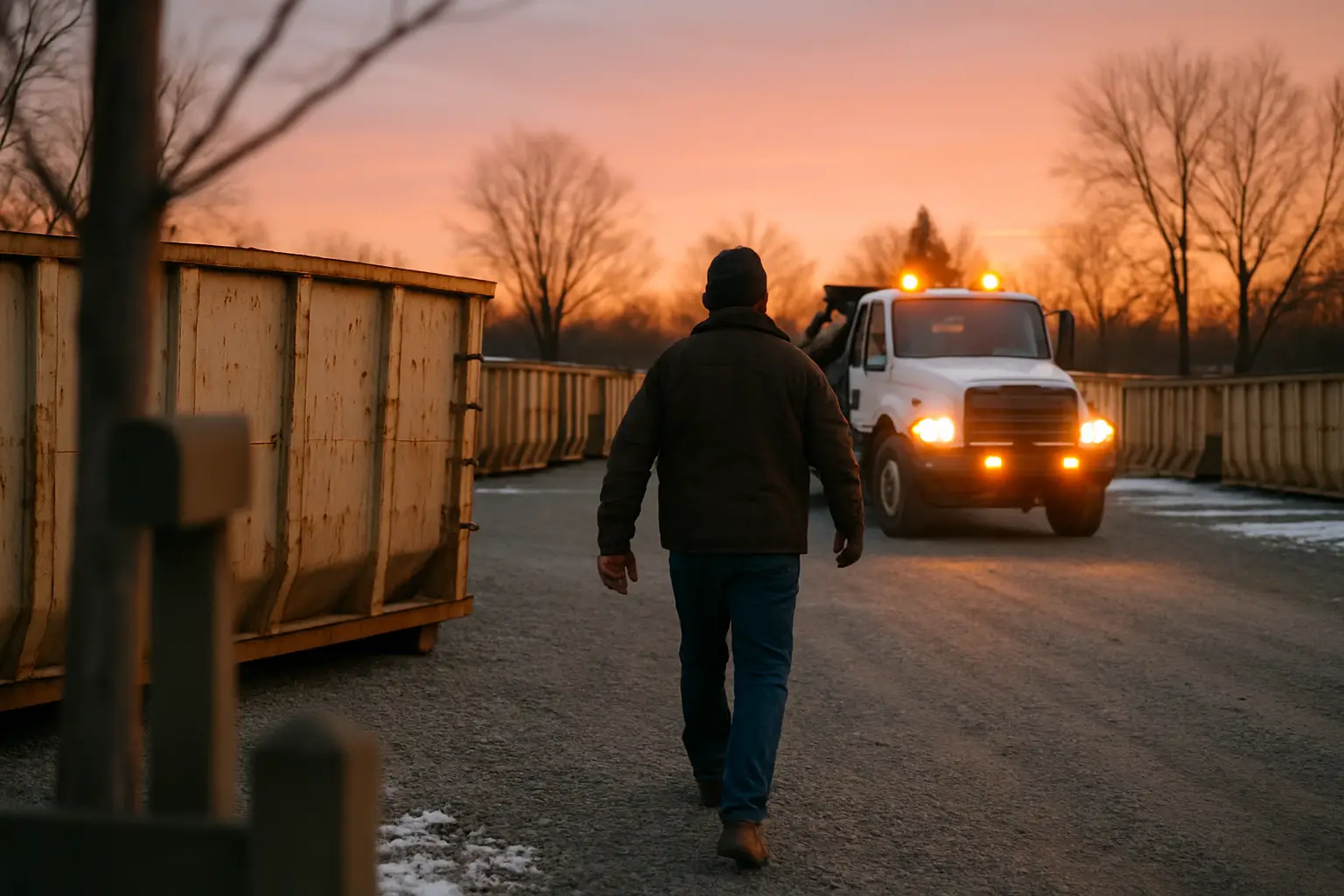
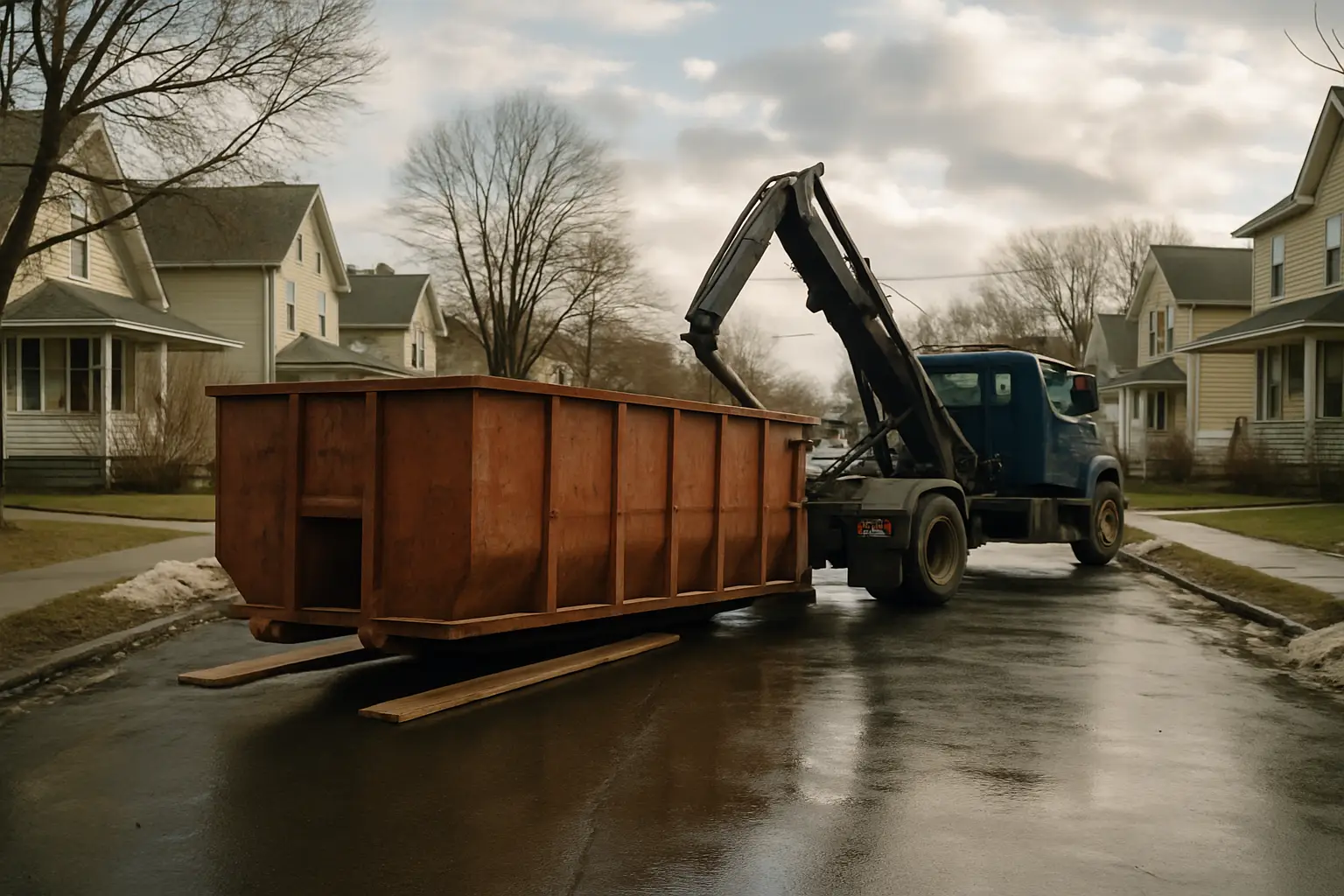
Camila Dumpster Rental confirms placement before delivery, with a photo record showing where the container will sit.

Dumpster Rental New York, NY gives homeowners, contractors, landlords, and businesses a practical way to control debris during active work. Camila Dumpster Rental helps choose the container size, checks access before delivery, and explains what materials belong inside. Service is available 24/7, Monday to Sunday.

  • Licensed, bonded and insured
  • Placement checked first
  • 24/7, Monday to Sunday
  • Serving New York County

Local operating knowledge

New York jobs need a container plan

Camila Dumpster Rental works around the practical constraints that make New York projects different. A townhouse may have a narrow curb approach, an apartment building may need coordination around a shared loading area, and a commercial site may have active pedestrians, parked vehicles, or limited staging space. The container cannot simply be dropped wherever it looks convenient. The truck needs a usable approach, enough clearance to place the box, and a surface that can handle the equipment. We discuss the material, access, location, and desired schedule before dispatch so the selected size fits the job rather than creating a second problem.

Photo-confirmed placement checks happen before every container delivery. That means the proposed location is reviewed for access and placement conditions before the truck leaves, rather than relying on a driver to improvise at the curb. New York streets can change quickly because of parking, construction, deliveries, and seasonal weather. A clear conversation about the driveway, alley, curb, or private lot helps prevent a failed placement. Camila Dumpster Rental is licensed, bonded and insured, and available 24/7, Monday to Sunday for residential, commercial, renovation, roofing, and construction cleanup needs.
Project-based options

New York Dumpster Rental for real job types

Different debris creates different loading and weight concerns. These options help identify the service that matches the work, access, and material before scheduling.

  • Residential Cleanout Dumpsters

    Use a residential cleanout container for estate work, apartment turnover, basement clearing, or a full-house reset. Tell us whether the debris is mostly furniture, boxes, fixtures, or mixed household material so the size reflects both volume and loading conditions.

    Home cleanouts
  • Moving and Decluttering Dumpsters

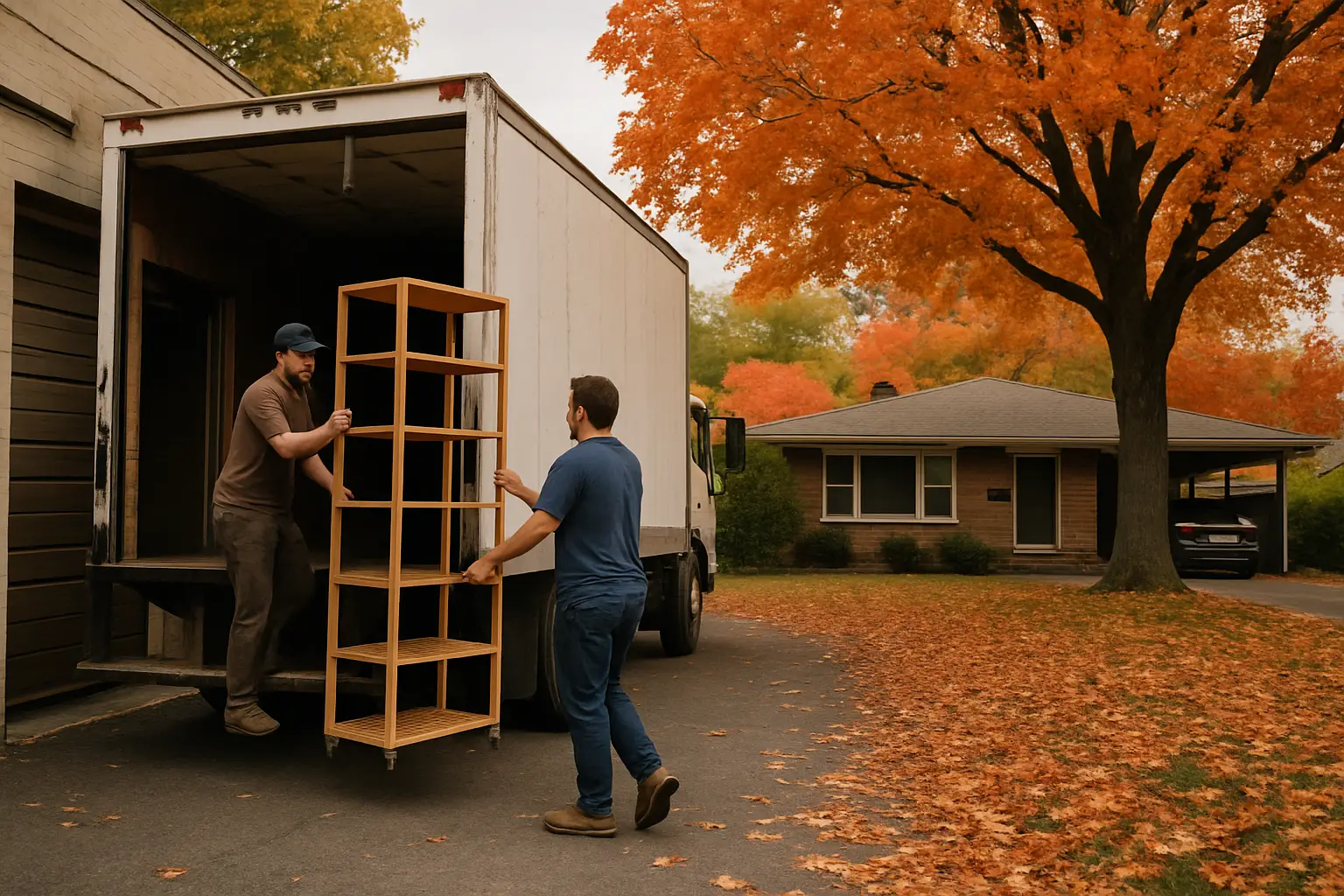
    Moving creates bulky, uneven loads that fill space quickly. A container can handle unwanted shelving, damaged furnishings, packaging, and general household discards when a donation or resale plan does not cover everything. Keep heavier items distributed instead of building one dense pile.

    Move preparation
  • Home Renovation Dumpsters

    Bathroom, flooring, kitchen, and interior renovation debris often arrives in stages. We help match the container to the demolition scope and explain material limits before delivery. Tile, cabinets, drywall, and mixed debris should not be treated as though they weigh or load the same.

    Remodel debris
  • Roofing Debris Dumpsters

    Roof tear-offs can become heavy before the container looks full, especially with shingles and underlying material. Keep roofing debris separate from prohibited materials and describe the roof size and tear-off layers during scheduling. That information helps prevent an overloaded box or an unsafe load.

    Roof replacement
  • Yard Waste Dumpsters

    Branches, leaves, sod, soil, and landscape debris occupy space differently and may have separate disposal requirements. Describe the material rather than calling it simply yard waste. A curbside location also needs enough clearance for the truck and for workers handling long branches safely.

    Landscape cleanup
  • Same-Day Dumpster Delivery

    Same-day delivery may be possible when the right container, route, and placement conditions line up. It is not a promise that every size can arrive immediately. Give us the property location, access details, material type, and preferred timing so availability can be checked honestly.

    Urgent scheduling
  • Concrete and Heavy Debris Dumpsters

    Concrete, brick, block, asphalt, and dense masonry can exceed a container's safe weight long before it appears full. Explain the material and approximate demolition scope before choosing a size. A smaller container may be the safer, more economical choice for concentrated heavy debris.

    Heavy materials
  • Construction Dumpsters

    Construction sites produce changing mixtures of lumber, drywall, packaging, insulation, metal, and demolition debris. We can discuss the current phase, loading method, access route, and future pickup needs. Keep prohibited materials out and avoid loading above the rim or beyond the walls.

    Active job sites
  • Commercial Recurring Dumpster Service

    Recurring commercial work benefits from a schedule built around the site's storage area, truck access, tenant activity, and changing debris stream. We discuss container placement and exchange needs up front, then adjust the plan when the project phase or material mix changes.

    Commercial projects

Additional cleanup help

Sometimes a container is not the best fit

How scheduling works

A clear plan prevents placement problems

  1. Describe the work

    Start with the project type, material, approximate amount, and desired placement date. Mention concrete, soil, roofing, appliances, or other dense materials because weight can matter before volume does. A plain description is more useful than guessing a container size alone.

  2. Review the property

    We discuss whether the container will sit in a driveway, private lot, alley, loading area, or curbside location. Share the approach width, overhead obstacles, gates, slopes, and nearby vehicles. Public-street placement may require town permission, so location details matter early.

  3. Confirm the container

    The container is selected around the debris, access, loading method, and expected work phase. If a smaller or different option is enough, we will say so. Choosing by price alone can create overloading, wasted space, or a second pickup.

  4. Check placement before delivery

    Before every container delivery, Camila Dumpster Rental checks the proposed placement and keeps a photo record of the location. This helps identify clearance or access concerns before dispatch. New York parking and construction conditions still need to be clear when the truck arrives.

  5. Load within the plan

    Keep debris below the top edge, spread dense material across the floor, and keep prohibited items out. Tell us before adding a material that was not part of the original description. Pickup coordination depends on safe loading and usable access.

What the job requires

A container is only useful when it fits

  1. Placement is checked before dispatch

    Camila Dumpster Rental reviews the proposed location before every container delivery and documents it with a photo. That extra check focuses on the part customers often discover too late: whether the truck can approach, set the box down, and leave without striking an obstacle. It does not replace clear access on delivery day, but it gives the job a defined placement plan.

  2. Heavy material changes the answer

    A container filled with shingles, concrete, brick, soil, or tile behaves differently from one filled with cardboard and light household debris. The box can look only partly full while already carrying too much weight. We ask about dense material before recommending a size, and we may steer a customer toward a smaller load or a different plan when that is safer.

  3. The cheaper option can be better

    Bigger is not automatically smarter. A smaller container may suit a bathroom update, a concentrated masonry load, or a property with limited driveway space. A large box can also be difficult to place on a narrow New York street. We compare the work, access, and material rather than pushing the largest available option.

Jobsite standards

The details we confirm before loading

  • Describe dense materials before selecting a container size.
  • Keep the proposed placement clear of vehicles and loose equipment.
  • Leave overhead clearance for the delivery equipment and container.
  • Never load debris above the container walls or rim.
  • Separate prohibited materials before workers begin the cleanup.
  • Protect private pavement when the placement conditions call for it.
  • Confirm public-street requirements before reserving curbside space.
  • Provide access that remains usable on the scheduled delivery day.

Placement and access

Where a New York container can safely sit

A container may sit on a private driveway, construction lot, commercial loading area, or another location with suitable access. Curbside placement is more complicated because parking, traffic, pedestrians, street cleaning, and local permission can affect the plan. In Manhattan, townhouse districts, and dense apartment blocks, a legal space is not automatically a workable delivery space. The truck needs a clear approach, room to align, overhead clearance, and enough length to place the box without contacting cars, walls, trees, or utility equipment. A slope, soft shoulder, tight alley, or gated yard can change the answer. Tell Camila Dumpster Rental exactly where the container must sit and whether that space is private or public before scheduling.

The delivery truck also needs a route that matches the property, not merely an address on a map. Narrow one-way streets, active construction corridors, bridge approaches, and parked vehicles can limit maneuvering. Driveways should be clear of vehicles, basketball hoops, low branches, and loose materials. If the surface is pavers, aging asphalt, soil, or a shared condominium drive, mention it before placement. Public-street use usually involves local permission, and the customer is responsible for explaining the location so applicable requirements can be discussed. On delivery day, keep the approach open and do not assume a previously available curb space will remain free.

A clear approach is needed for the truck to place the container safely.

Private driveways and public curbs require different planning conversations.

Remove vehicles, branches, gates, and loose objects from the delivery path.

Size and material

How New York buildings change the size decision

New York properties range from compact apartments and brownstones to larger homes, commercial buildings, and active construction sites. The building type affects how debris reaches the container. A fourth-floor apartment renovation may produce less total material than a suburban-style house cleanout, yet stairs, elevators, hallways, and shared loading areas make staging slower. Older buildings can also produce plaster, lath, masonry, heavy trim, and dense flooring materials. Newer renovations may create drywall, cabinets, packaging, insulation, and dimensional lumber. Those materials occupy space differently, so the right question is not only how much debris exists, but what it weighs and how it will be loaded.

Roofing, concrete, brick, soil, tile, and wet material require particular care because they become heavy quickly. A forty-yard container is not automatically suitable for every large job, and filling a smaller box with light material is different from filling it with masonry. Commercial demolition and recurring construction work may need a staged plan as debris changes from one phase to the next. Describe the building, rooms, demolition materials, loading route, and expected pace. Camila Dumpster Rental can then compare volume, weight, and access instead of guessing from square footage alone.

Older interiors may create dense plaster, lath, masonry, and hardwood debris.

Light packaging and heavy demolition material should not share the same assumptions.

A smaller container can be safer when dense debris is concentrated.

Common questions

Answers before you schedule

What size dumpster do I need for a home renovation?

The right size depends on the rooms being changed, the demolition material, and how the debris will be loaded. A bathroom update may need less space than a kitchen remodel, while tile, plaster, cabinets, and masonry add weight quickly. Describe the project, building access, and material mix so Camila Dumpster Rental can compare volume with weight. Keep the proposed placement clear before delivery.

Can a dumpster go on a New York City street?

A container may be placed on a public street only when the location and applicable local requirements allow it. Curb space, parking conditions, traffic, street activity, and permission can affect the plan. Tell Camila Dumpster Rental whether the space is public or private and identify the exact location. Keep the area clear and confirm what permission may apply before reserving delivery.

How much space does a dumpster need?

A dumpster needs enough room for the truck to approach, align, place the container, and leave safely. The exact footprint varies by container size, but overhead clearance, gates, parked cars, branches, slopes, and nearby structures matter too. Describe the driveway or loading area before scheduling. Remove vehicles and loose obstacles from the route on delivery day.

What can I put in a dumpster?

Common renovation, household, roofing, yard, and construction debris may be accepted when described accurately during scheduling. Prohibited or restricted materials can vary by disposal requirements, so do not assume every item belongs in the box. Tell Camila Dumpster Rental about appliances, liquids, chemicals, soil, concrete, or unusual materials. Separate questionable items before loading begins.

Can I rent a dumpster for concrete or roofing shingles?

Concrete and roofing shingles can be handled when the material, amount, and loading plan are reviewed first. Dense debris can exceed safe weight before the container looks full, so a large box is not automatically the right choice. Explain the demolition scope and material layers before delivery. Spread heavy debris across the floor and never load above the rim.

Is same-day dumpster delivery available in New York?

Same-day delivery may be available when the needed container, route, placement, and schedule line up, but it cannot be guaranteed for every request. Give Camila Dumpster Rental the property location, material type, size preference, and desired timing. Same-day work still requires a clear access path and any needed public-location permission.

How do I prepare my driveway for dumpster delivery?

Clear the driveway of vehicles, tools, branches, gates, toys, and other obstacles before delivery. Mention slopes, soft ground, pavers, aging pavement, overhead wires, and tight turns because those conditions can affect placement. Share a photo or detailed description during the planning call. Keep the approach open until the container is set down.

How long can I keep a dumpster?

The rental period depends on the project schedule, container availability, access, and the pickup plan discussed when the order is arranged. Renovation phases may need a different schedule than a quick cleanout or recurring commercial job. Explain the expected loading period before delivery. Keep the container accessible and contact Camila Dumpster Rental before the planned pickup changes.

Plan the cleanup

Bring the job details to the call

Camila Dumpster Rental can help narrow the size and placement plan when you describe the work plainly. Have the property location, material type, access conditions, and preferred timing ready. Service is available 24/7, Monday to Sunday, for residential, commercial, renovation, roofing, and construction cleanup.

Phone

(332) 587-3902

The call covers container size, acceptable materials, placement, access, scheduling, and any public-location concerns.

Availability

24/7
Monday to Sunday, day and night

Have this ready

  • Property address and placement area
  • Project type and debris materials
  • Driveway, curb, or lot access
  • Preferred delivery and pickup timing

Where we work

New York, plus Hoboken, Jersey City, Union City, Fort Lee, Newark, Bayonne, Yonkers, Mount Vernon, Elizabeth and New Rochelle.

See the full service area list

Get the container plan right before work starts

Tell Camila Dumpster Rental what is being removed, where the container must sit, and how the truck will reach it. A straightforward material and access review can prevent an oversized order, unsafe loading, or a failed placement.

Click Here to Call(332) 587-3902

Local coverage

Dumpster service around New York County

Camila Dumpster Rental serves projects in New York and nearby communities, including New York County and locations across the Hudson and surrounding region. Coverage includes New York, Hoboken, Jersey City, Union City, Fort Lee, Newark, Bayonne, Yonkers, Mount Vernon, Elizabeth, and New Rochelle. Placement, access, and material planning still depend on the specific property.

neighborhoods of New York include Manhattan, Harlem, Chelsea, Astoria, Long Island City, and the Upper West Side. Each property should be reviewed by its actual driveway, curb, loading area, street conditions, and building access rather than by neighborhood name alone.

ManhattanHarlemChelseaAstoriaLong Island CityUpper West Side

Dumpster Rental in nearby towns

Click Here to Call(332) 587-3902